


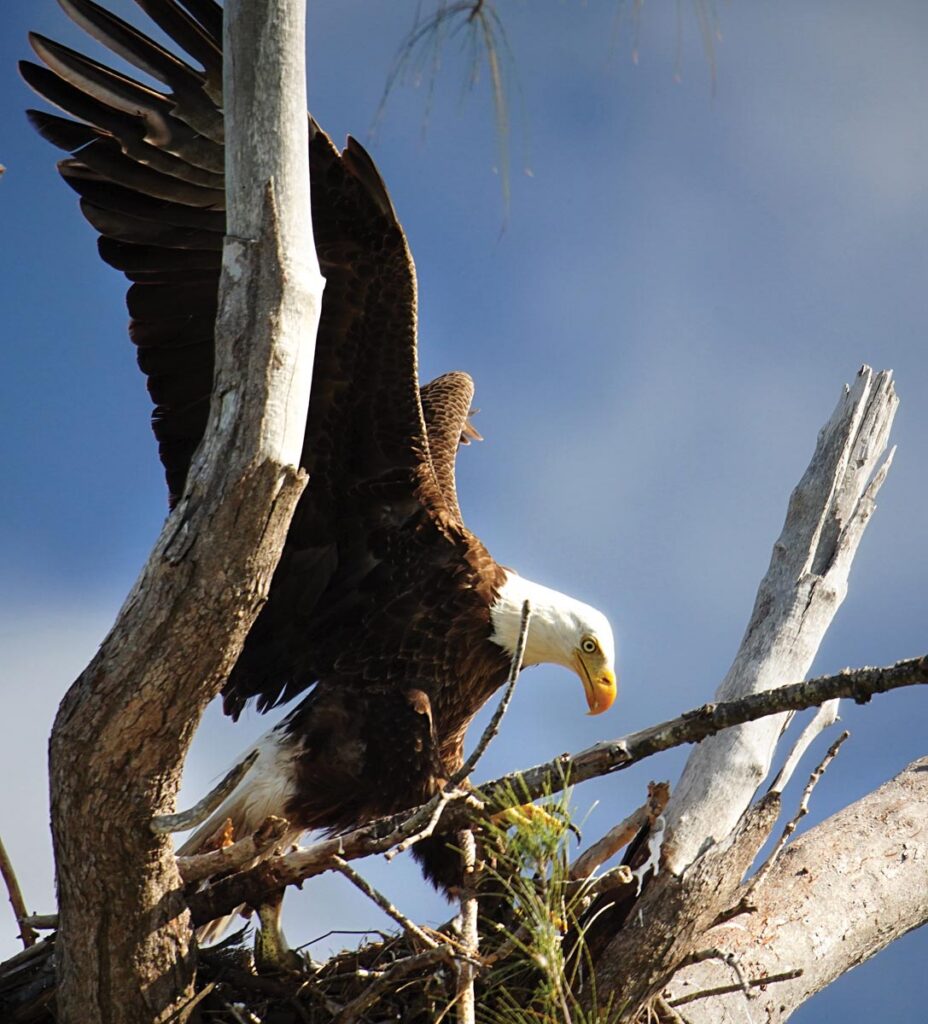
A native of Pennsylvania who now calls Fort Myers home, photographer Rick Weber has spent much of his life observing the world through the eyes of a storyteller. Long before he picked up a camera, he was a writer—an award-winning journalist whose work earned him a Casey Medal for Meritorious Journalism, numerous other honors, and two recognitions from the Associated Press Sports Editors. He is also the author of Pink Lips and Fingertips (Xulon Press; 2009) and a contributor to five editions of Chicken Soup for the Soul.
Photography entered his life after he moved to Australia in the 1980s, where travel inspired him to consider a camera to preserve not only special places but life’s precious moments. “It was my window to the world,” he says. His love for photography blossomed years later while living in Texas. In 2007, a pair of mourning doves nested outside Weber’s home. He observed them for weeks documenting every stage of their brief family life as they incubated their eggs and raised two chicks. When the young birds fledged and never returned, he was left with an unexpected sense of loss—and an even greater curiosity about birds. He was completely hooked.
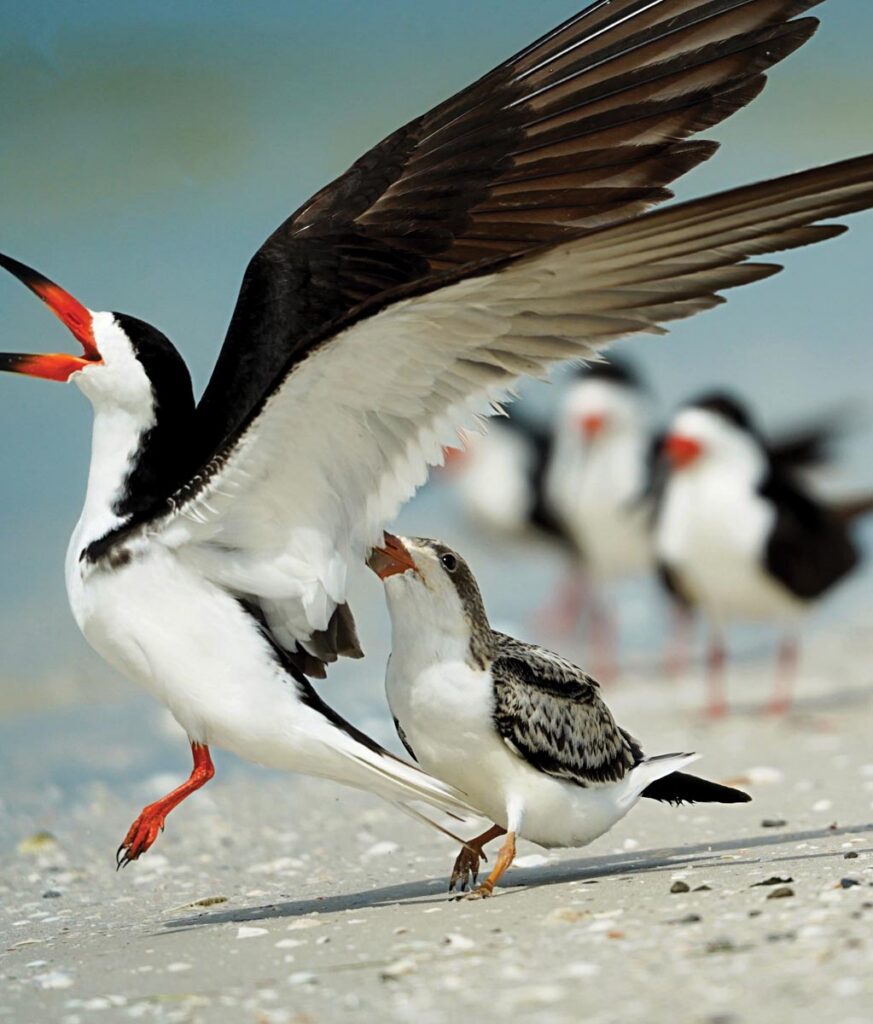
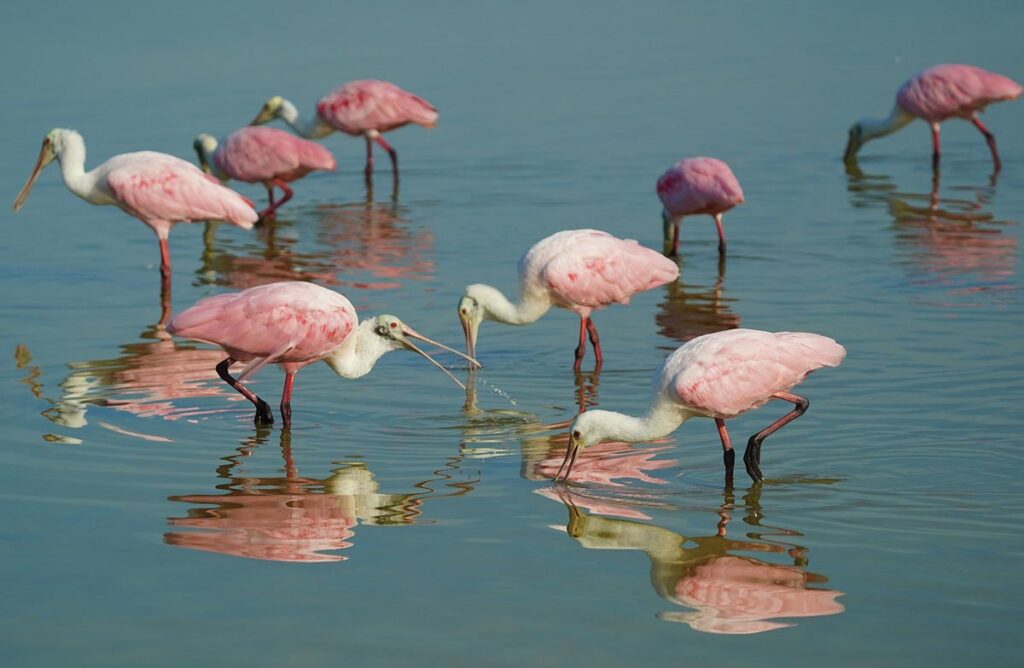
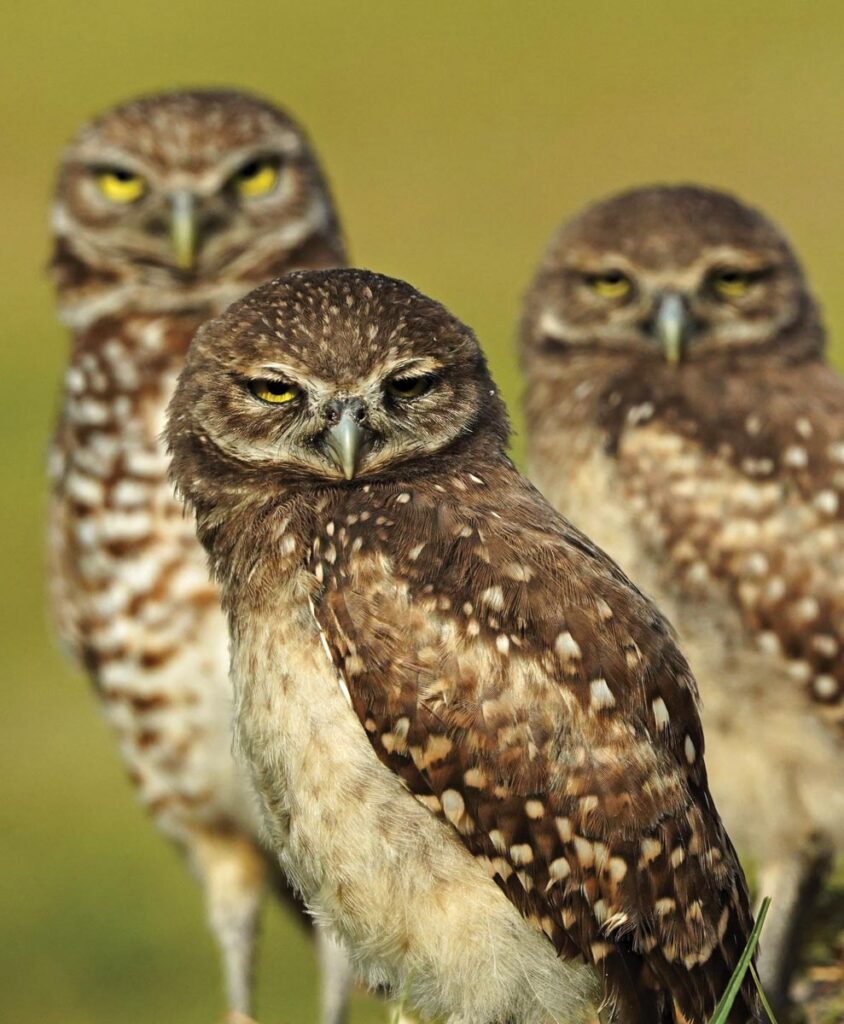
After relocating to Southwest Florida in 2011, Weber found himself immersed in the region’s beaches, mangrove estuaries, freshwater marshes, and cypress swamps. Armed with patience, persistence, and ever-improving camera technology, he began documenting the remarkable diversity of birds that call our region home. Among his favorite avian subjects are roseate spoonbills, burrowing owls, black skimmers, and sandhill cranes. His favorite, however? Ospreys.
After Hurricane Irma swept through the state in 2017, an osprey began regularly perching atop a towering Norfolk pine beside Weber’s Fort Myers home. “I heard a sweet chirping coming from my backyard,” he recalls. “I went out and saw an osprey perched at the top [of the tree]. And he kept coming back. … I started thinking: it almost seems like he’s protecting that tree and protecting me.” Curious, Weber researched the bird’s symbolism. “I Googled my thoughts and discovered that in many Native American traditions—especially among coastal tribes—the osprey is revered as a spiritual protector and guardian,” he relays.
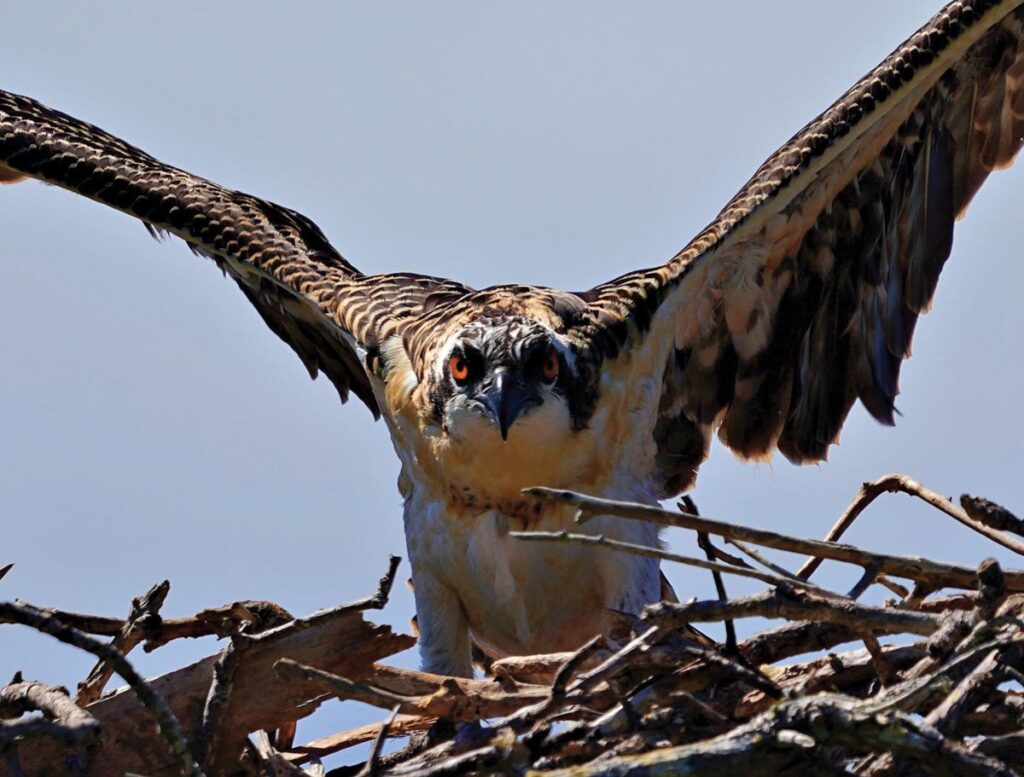
His fascination eventually led him to volunteer as an osprey nest monitor for the Sanibel-Captiva Conservation Foundation (SCCF). He has also served as a photographer for Audubon’s weekly bird counts, as well as a shorebird steward, educating beachgoers while helping minimize disturbance to nesting birds. Through those experiences, his camera became more than a creative tool; it became a vehicle for conservation. “Coastal wetlands are decreasing, and threats to wildlife habitat and aquatic ecosystems are increasing,” he says. “What are we leaving for future generations? That’s why I was so honored to assist SCCF. Since its founding in 1967, [it] has been successful in acquiring more than 2,100 acres of land, including over 1,800 acres on Sanibel Island.”
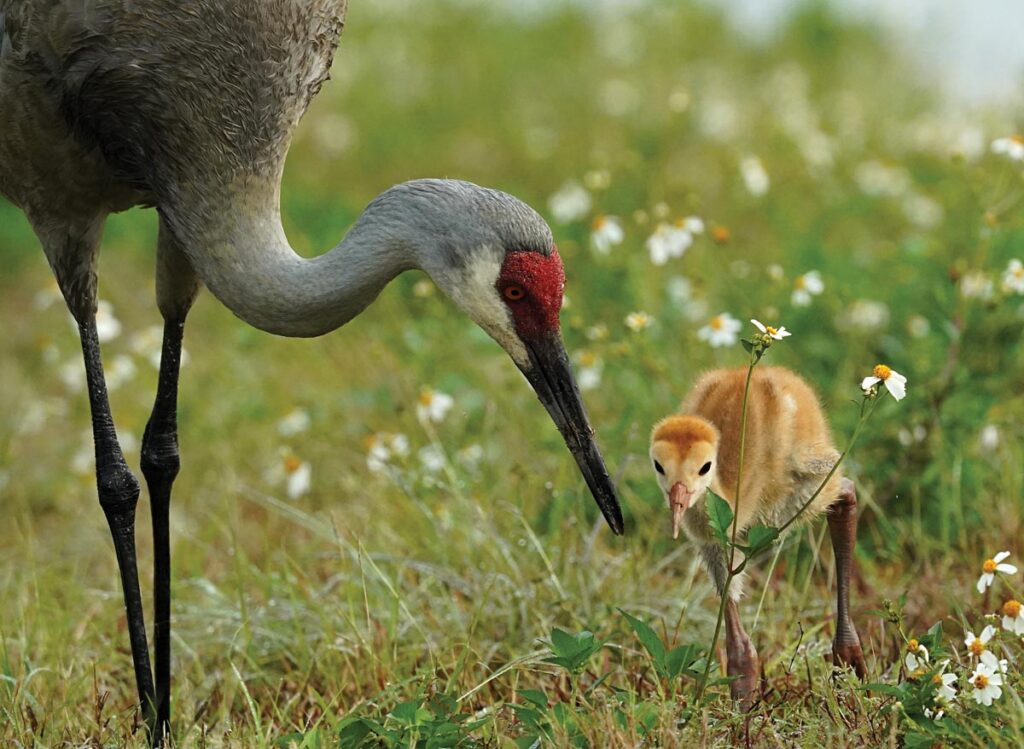
Weber’s favorite photography sessions begin during the golden hour, when the first or last light of day bathes Southwest Florida’s habitats in warm hues. At low tide, shallow estuaries become mirrors that reflect both the sky and wildlife. “I’ve always felt an undeniable attraction to the ocean, especially at sunset,” notes Weber. “And especially at low tide. The colors come alive. The ibis, herons, black skimmers, roseate spoonbills, terns, American oystercatchers—and a host of other birds—seem a little more relaxed. … This is where I go to fill my soul.”
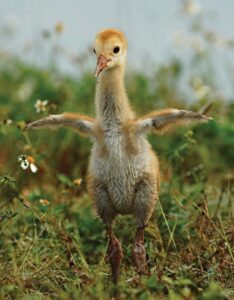
Weber has spent thousands of hours walking boardwalks, wading tidal flats, exploring hidden trails, and simply paying attention to Mother Nature. His images celebrate the extraordinary beauty and liveliness of Southwest Florida’s ecosystems while highlighting the fragile habitats upon which birds depend.
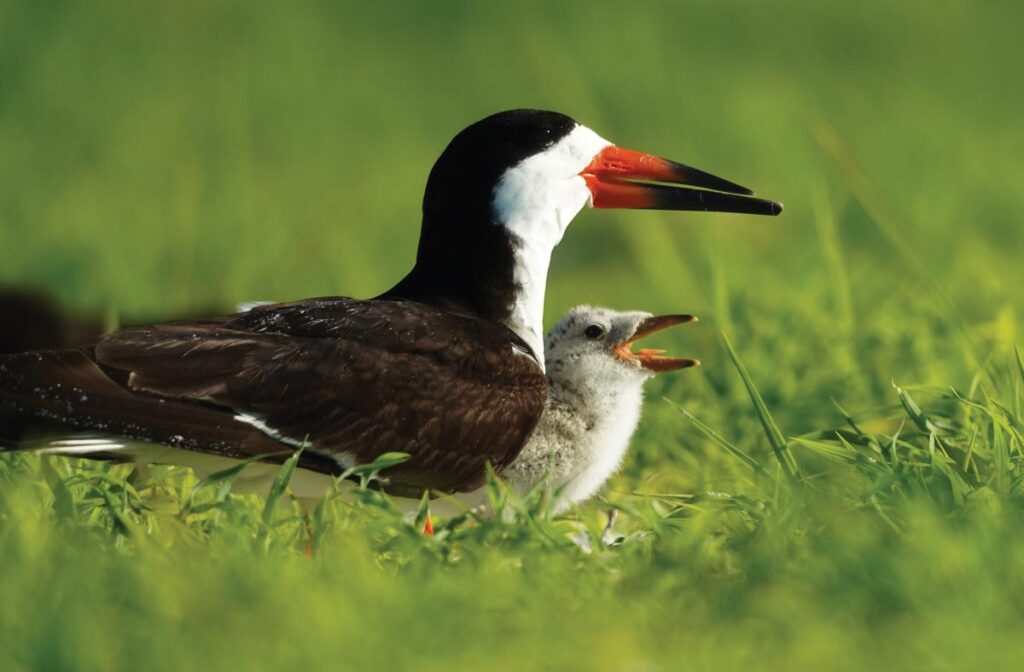
In preserving some of nature’s best moments through his lens, he reveals there is more to our corner of the universe than luxury automobiles, country clubs, and impressive high-rise condos. He reminds us that our greatest beauty—and perhaps our greatest treasure—resides in the Florida wild.






Facebook Comments